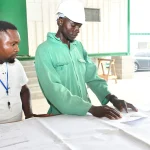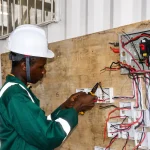

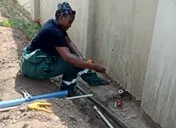
Masonry work looks straightforward from the outside, laying blocks, mixing mortar, building walls, but construction sites remain one of the most dangerous work environments in Nigeria. Studies on Nigerian construction sites consistently point to the same underlying problems: falls, falling objects, poor scaffold practices, and carelessness caused by weak safety culture rather than any single dramatic hazard.
If you’re training as a mason or already working on-site, here’s a practical look at masonry safety in Nigeria, the real risks involved, and what actually reduces injuries.
Why Masonry Sites Carry Real Risk
Research on Nigerian construction sites has found that the most common injuries among bricklayers and other artisans are bruises, cuts, and blunt trauma, largely caused by slips, trips, falls, falling objects, and crushing incidents. A separate nationwide analysis identified failure of edge protection, scaffold overloading, wrong ladder placement, and poor housekeeping among the leading causes of site accidents. In other words, most masonry injuries aren’t freak accidents. They trace back to a handful of preventable conditions repeated across sites.
One study focused specifically on Abuja’s construction industry found that carelessness and non-compliance with site safety updates were rated as the top causes of fatal accidents on local sites, underlining that awareness and discipline matter just as much as equipment.
1. Wear Proper Personal Protective Equipment (PPE)
Widespread negligence in PPE use has been repeatedly flagged as a major factor behind Nigerian construction site injuries. For masons, that means:
- Sturdy work boots with reinforced soles, to protect against falling blocks and sharp debris
- Gloves, to reduce cuts and abrasions from handling blocks, cement, and tools
- A hard hat, especially when working near scaffolding, cranes, or overhead activity
- Eye protection when cutting or grinding blocks, where dust and flying fragments are a real hazard
Skipping PPE because “it’s just a quick job” is one of the most common and most avoidable causes of injury on Nigerian sites.
2. Inspect Scaffolding Before You Climb
Scaffold overloading and wrong placement are repeatedly named among the leading causes of falls on Nigerian construction sites. Before working from any scaffold or platform, check that it’s on stable, level ground, properly secured, and not carrying more weight or workers than it’s rated for. If something looks improvised or unstable, it’s worth raising the concern rather than assuming it’s fine because it hasn’t failed yet.
3. Handle Materials Carefully
Falling objects remain one of the leading causes of injury on Nigerian sites, often tied to a lack of warning signage in danger zones and materials not being properly secured. As a mason, that means stacking blocks and materials securely, never leaving loose items near edges or walkways below, and staying alert to activity happening above you when you’re working at ground level.
4. Keep the Site Organized
Poor housekeeping, cluttered walkways, scattered tools, uneven or damaged flooring, is a recurring, named cause of same-level falls on Nigerian sites. A tidy work area isn’t just about appearance. Clear pathways and properly stored materials directly reduce trip hazards and lost-footing injuries.
5. Mind Your Posture and Lifting Technique
Masonry involves repetitive lifting, bending, and carrying, block after block, day after day. Research on Nigerian construction artisans has found that workers handling heavy loads face a higher risk of injury, particularly those lifting more than 100kg worth of material across a workday. Learning proper lifting technique, bending at the knees rather than the back, and not overloading yourself on a single trip protects against long-term strain injuries that don’t show up immediately but add up over a career.
6. Take Safety Briefings Seriously
Studies on Nigerian sites have consistently linked poor safety outcomes to a lack of awareness among workers and the absence of structured safety programs. Where site briefings, safety inductions, or toolbox talks are offered, treat them as essential, not optional. Where they aren’t offered at all, that’s often a sign of a poorly managed site, and it’s worth asking questions before assuming everything is fine.
7. Don’t Let Experience Replace Caution
Interestingly, research has found that younger, less experienced workers are not the only ones at risk, workers under 60 across experience levels were found to face meaningfully higher injury rates in one Nigerian study. Complacency, not just inexperience, plays a real role. Even skilled masons benefit from staying deliberate about safety rather than assuming years on the job make accidents less likely.
Why This Matters Beyond the Individual Worker
Poor site safety in Nigeria isn’t just a personal risk, it’s an industry-wide problem tied to weak enforcement of existing regulations and inconsistent safety culture across contractors. As a mason, the habits you build early, PPE use, careful material handling, scaffold caution, contribute to shifting that culture, one site at a time.
Build Safety Into Your Training From Day One
Learning proper safety habits alongside technical skill is what keeps masons working, and working well, for decades rather than being sidelined by preventable injury. At Foci Skills Academy, our masonry training program integrates real site safety practices into every stage of hands-on learning, not as an afterthought, but as a core part of becoming a professional.
If you’re ready to build a masonry career on solid, safe foundations, visit Foci Skills Academy today to check our training schedule in Abuja. Spaces are limited each intake, so reach out now before the next class fills up.