Electrical fires are one of the most common and most preventable disasters in Nigerian homes and offices. Reports have tied billions of naira in property losses and hundreds of lives lost over the past few years directly to unstable power supply, poor wiring, overloaded circuits, and substandard electrical materials. The frustrating part is that most of these incidents come down to a handful of avoidable mistakes.
Whether you’re a homeowner, an office manager, or training to become an electrician yourself, here are 10 electrical safety tips for Nigeria that can genuinely save lives and property.
Top 10 Electrical Safety Tips for Homes and Offices in Nigeria
1. Avoid Overloading Sockets and Extension Boxes
It’s common in Nigerian homes and offices to plug several high-powered appliances into one extension box, especially with air conditioners, fridges, and electric kettles all sharing outlets during PHCN outages and generator use. Overloaded sockets heat up fast and are one of the leading triggers of house fires. Spread heavy appliances across separate circuits wherever possible.
2. Never Ignore a Burning Smell or Warm Socket
If a socket, switch, or plug feels warm to the touch or gives off a faint burning smell, treat it as an emergency, not a minor inconvenience. This is usually a sign of loose wiring or overheating insulation, and it should be switched off and inspected by a qualified electrician immediately.
3. Use Certified Electrical Materials, Not Cheap Substitutes
Substandard cables, sockets, and circuit breakers bought to cut costs are a major cause of electrical faults in Nigeria. Always insist on cables and components that meet recognized standards. Paying a bit more upfront for genuine materials is far cheaper than rebuilding after a fire.
4. Install Circuit Breakers and Earth Leakage Protection
Every home and office should have properly rated circuit breakers that trip automatically during a power surge or short circuit, cutting power before damage spreads. Earth leakage (ELCB) protection adds another layer of safety, particularly against electric shock in wet areas like bathrooms and kitchens.
5. Be Extra Careful With Generator Wiring
With power supply still unreliable across much of Nigeria, generators are a daily part of life, but improper generator wiring is a serious hazard. Never connect a generator directly to your building’s wiring without a proper changeover switch, as this can cause dangerous backfeeding into the grid and put utility workers and neighbors at risk, in addition to damaging your appliances.
6. Keep Water and Electricity Apart
Water and electricity are a dangerous combination, yet many Nigerian homes have exposed sockets near sinks, water tanks, or areas prone to flooding during heavy rains. Keep electrical points away from water sources, and never touch switches or appliances with wet hands.
7. Schedule Regular Wiring Inspections
Wiring that was installed years ago may no longer meet current safety needs, especially in older buildings where insulation degrades over time. Periodic inspections by a certified electrician can catch fraying wires, loose connections, and outdated components before they become a fire risk.
8. Follow NEMSA Guidelines for Solar and Battery Installations
As solar power adoption grows across Nigeria, so have fire incidents linked to poorly installed rooftop solar systems and battery setups. NEMSA has flagged unqualified installers and substandard components as major contributors. If you’re installing solar, insist on a technician who follows proper battery ventilation, cable routing, and system design guidelines.
9. Don’t DIY Electrical Repairs You’re Not Trained For
It’s tempting to fix a tripped breaker or replace a socket yourself, but electrical work carries real risk without proper training. A high number of electrical accidents and fatalities recorded in Nigeria each year involve untrained handling of live wiring. Basic tasks are fine once you know what you’re doing, but leave installation and repair work to a trained electrician.
10. Educate Everyone in the Building
A large share of electrical accidents happen simply because people don’t know basic safety practices, not because the wiring itself is faulty. Take time to teach family members, staff, or tenants simple habits: unplugging appliances not in use, recognizing warning signs, and knowing where the main breaker is in case of emergency.
Why This Matters More Than Ever
Nigeria continues to lose significant property and human life to electrical fires and accidents every year, and the leading causes, poor wiring, overloaded circuits, and substandard materials, are almost entirely preventable with the right precautions and the right professionals handling installation work.
Final Wrap-up :Get It Right the First Time
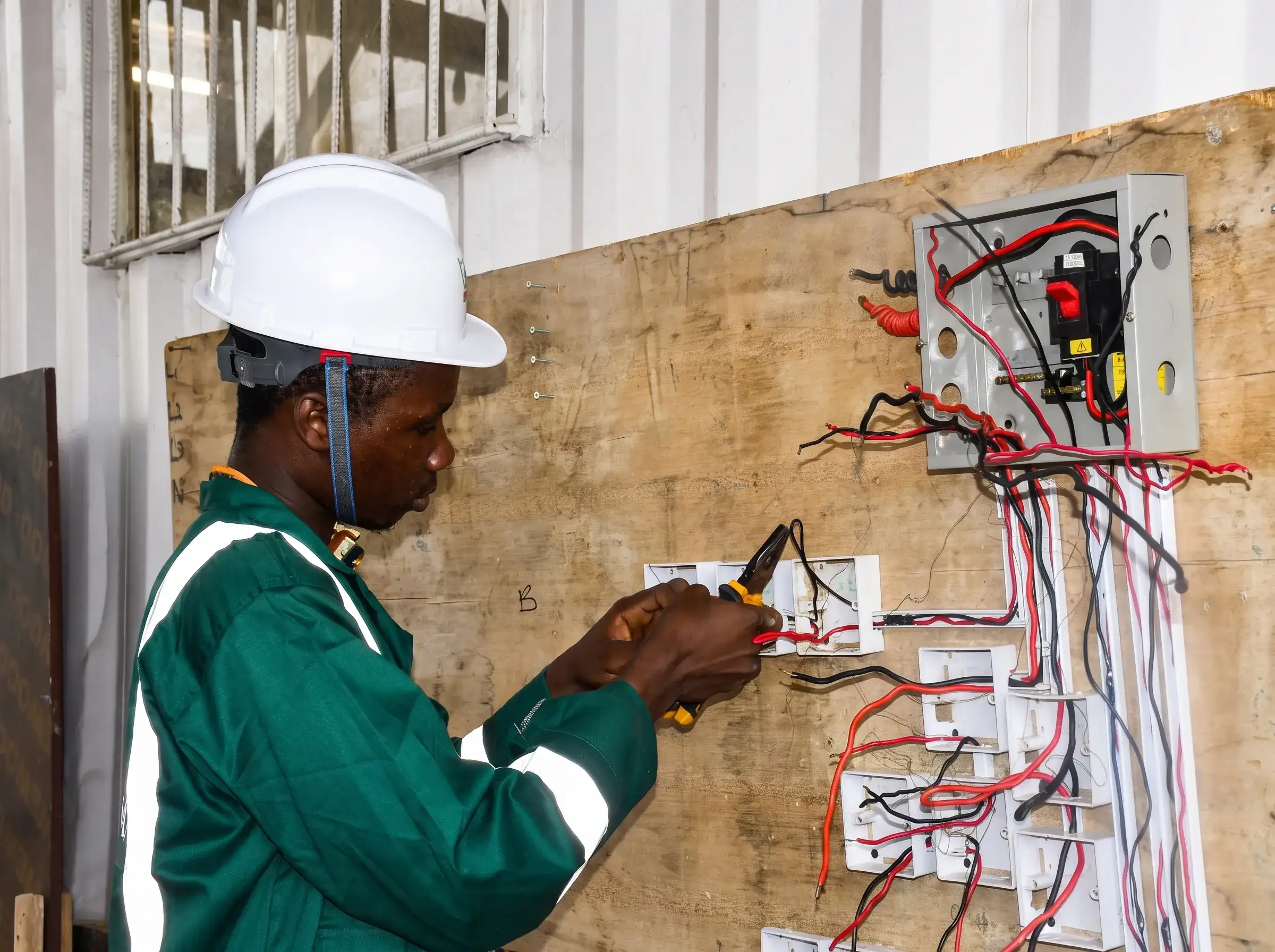
The safest homes and offices are the ones wired by people who were properly trained to do it right the first time. At Foci Skills Academy, our electrical installation program teaches the safety standards and hands-on wiring skills that keep homes, offices, and lives protected, not just theory that looks good on paper.
If you want to build a career doing work that genuinely keeps people safe, visit Foci Skills Academy today to check our electrical installation training schedule in Abuja. Enrollment slots are limited each intake, so reach out now to secure your place.