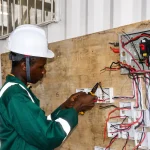

If you’re training to become an electrician in Nigeria, you’ll hear the term NEMSA a lot, and for good reason. It’s the certification that separates a hobbyist with a screwdriver from someone legally recognized to carry out electrical installation work in this country.
Here’s what NEMSA certification actually means, why it matters for your career, and how to go about getting it.
What Is NEMSA?
NEMSA stands for the Nigerian Electricity Management Services Agency. It was set up under the NEMSA Act of 2015, which has since been folded into the Electricity Act of 2023. In simple terms, NEMSA is the government body responsible for enforcing technical standards, inspecting installations, and certifying electrical work across the country, whether that’s a home wiring job, a commercial installation, or a large-scale power project.
NEMSA is currently the only agency legally authorized to inspect, test, and certify electrical installations in Nigeria. That means if you want to work as a licensed electrician or run an electrical contracting business, this certification isn’t optional, it’s the standard you’re expected to meet.
Why NEMSA Certification Matters for Electricians
A lot of apprentices assume that once they can wire a building safely, they’re good to go. But without NEMSA certification, you’re limited in the kind of jobs you can legally take on, especially anything involving government contracts, commercial buildings, or utility-connected installations.
Certification tells clients and employers that your work has been vetted against national safety and quality standards. It also protects you. Faulty wiring is one of the leading causes of electrical fires and accidents in Nigerian homes and offices, and NEMSA’s entire role exists to reduce that risk.
For your career specifically, certification opens doors: better-paying contracts, credibility with clients, and eligibility to register as a certified electrical contractor if you eventually want to run your own business.
Types of NEMSA Certification
NEMSA doesn’t offer just one certificate. Depending on your role and experience level, you may apply under different categories, including:
- Individual Competency Certification – for electricians and technical personnel working on installations
- Corporate Certification for Electrical Installation Contractors – for companies carrying out electrical installation work
- Electricity Metering Installation Certification – for personnel handling meter installation, including specialized categories for high-voltage metering work
- Renewable Energy Installation Certification – for those working on solar and other renewable electricity generation installations
Each category has its own experience and qualification requirements, so it’s worth checking which one applies to the type of work you plan to specialize in.
What You’ll Need to Apply
While requirements can vary slightly by category and state, most applicants are expected to provide:
- A recent passport photograph (35mm x 45mm, no cap or glasses)
- Scanned copies of your educational or professional qualifications
- Evidence of past electrical installation work, such as job completion certificates or safety inspection records
- For corporate certification, company registration documents from the Corporate Affairs Commission (CAC)
Applications are submitted through NEMSA’s official portal, followed by a processing fee payment and, in many cases, a practical interview or written competency exam to confirm your skills match what you’ve claimed on paper.
How the Certification Process Works
Broadly, the process follows these steps:
- Register and apply through the NEMSA portal, selecting the certification category that fits your role
- Submit your documents, including qualifications and evidence of prior work
- Pay the required processing fee
- Attend an inspection, interview, or competency exam, depending on your certification type
- Receive your certificate once you’ve met all technical and safety requirements
Certificates typically need renewal after a set period, so staying certified is an ongoing part of working as a professional electrician in Nigeria, not a one-time achievement.
Final Wrap-up: Getting Certification-Ready Starts With the Right Training
Here’s the honest part: NEMSA certification tests real competency, not just paperwork. If your foundational training didn’t cover proper wiring standards, safety codes, and hands-on installation practice, the interview and exam stage will expose those gaps quickly.
This is exactly why the training you choose before you ever apply for certification matters so much. At Foci Skills Academy, our electrical installation program is built around the practical, safety-first skills NEMSA actually looks for, so you walk into certification prepared, not guessing.
If you’re serious about becoming a certified, employable electrician in Abuja, visit Foci Skills Academytoday to check our electrical installation training schedule and enrollment details. Classes fill up quickly each intake, so don’t wait until the next one starts without you.